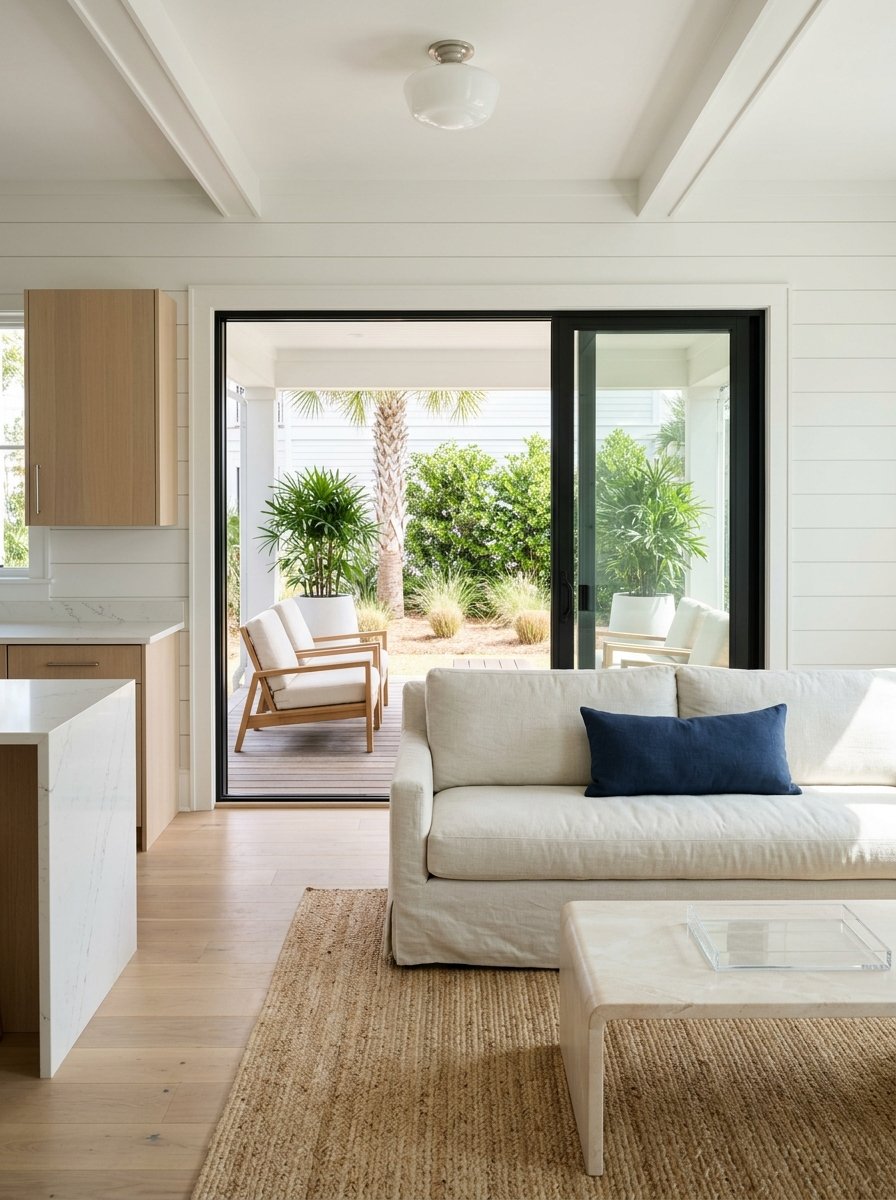
If your Seaside cottage is charming but starting to feel a little too lived-in, you are not alone. In a market where buyers have options and online impressions matter, even a beautiful home may need thoughtful prep to stand out. The good news is that you do not need to reinvent your property to make it more appealing. You simply need to help buyers see the relaxed, move-in-ready coastal retreat they are looking for. Let’s dive in.
Why Seaside prep matters
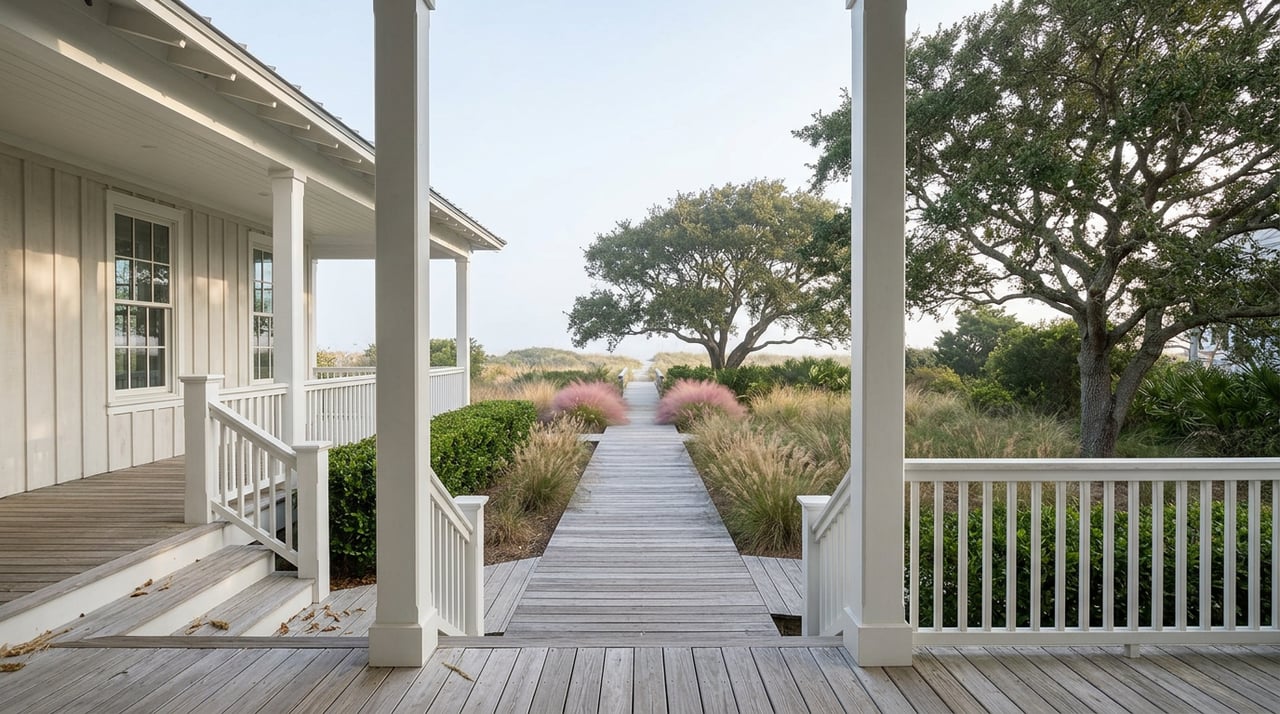
In Seaside, buyers are not only shopping for square footage. They are also buying into a walkable coastal setting shaped by front porches, brick-paved streets, white-sand footpaths, native vegetation, and a shared regional architectural style, as outlined on Seaside’s community pages and town history overview.
That makes your home’s exterior feel, porch presentation, and connection to the street part of the value story. If those details feel polished and welcoming, buyers can picture the full lifestyle more easily.
Broader area market data also points to a more selective environment. While source methods vary, recent reporting cited Santa Rosa Beach as a buyer’s market or at least a slower, less competitive one, with homes often taking longer to sell and selling below asking. In that kind of market, presentation and pricing discipline matter even more.
Start with clean and simple
Before you think about furniture, video, or listing copy, focus on the basics. According to NAR’s 2025 staging research, the most common recommendations for sellers were decluttering, cleaning the entire home, and improving curb appeal.
That advice fits Seaside especially well. The architecture here tends to be restrained and climate-aware, so buyers respond best when they can clearly see the home itself instead of being distracted by clutter, wear, or overly busy decor.
Declutter what buyers notice first
Start with the areas that shape first impressions. Clear excess items from the entry, front porch, living room, kitchen counters, and primary bedroom. Remove anything that makes the home feel crowded, highly personal, or harder to maintain.
Your goal is not to make the house feel empty. Your goal is to make it feel calm, open, and easy to enjoy from day one.
Deep clean every surface
A home near the coast can collect salt, sand, moisture, and wear in ways owners stop noticing over time. Wash windows, wipe trim, refresh floors, clean grout, dust vents, and make sure kitchens and baths feel crisp.
Clean windows matter more than many sellers realize. In a light-filled coastal home, bright natural light is one of the property’s biggest assets.
Repair small flaws
Minor issues can create outsized concern for buyers. Tighten loose hardware, repair chipped trim, touch up paint, replace burnt-out bulbs, and address anything visibly worn at the front door, porch, or main living spaces.
These are quiet improvements, but they help the home read as cared for. That matters during both in-person showings and photography.
Let the architecture lead
One of the easiest mistakes in a beach home is over-theming it. Seaside’s own history and design identity point to simple cottages, native landscaping, and homes adapted to the local climate, not heavy beach-themed styling.
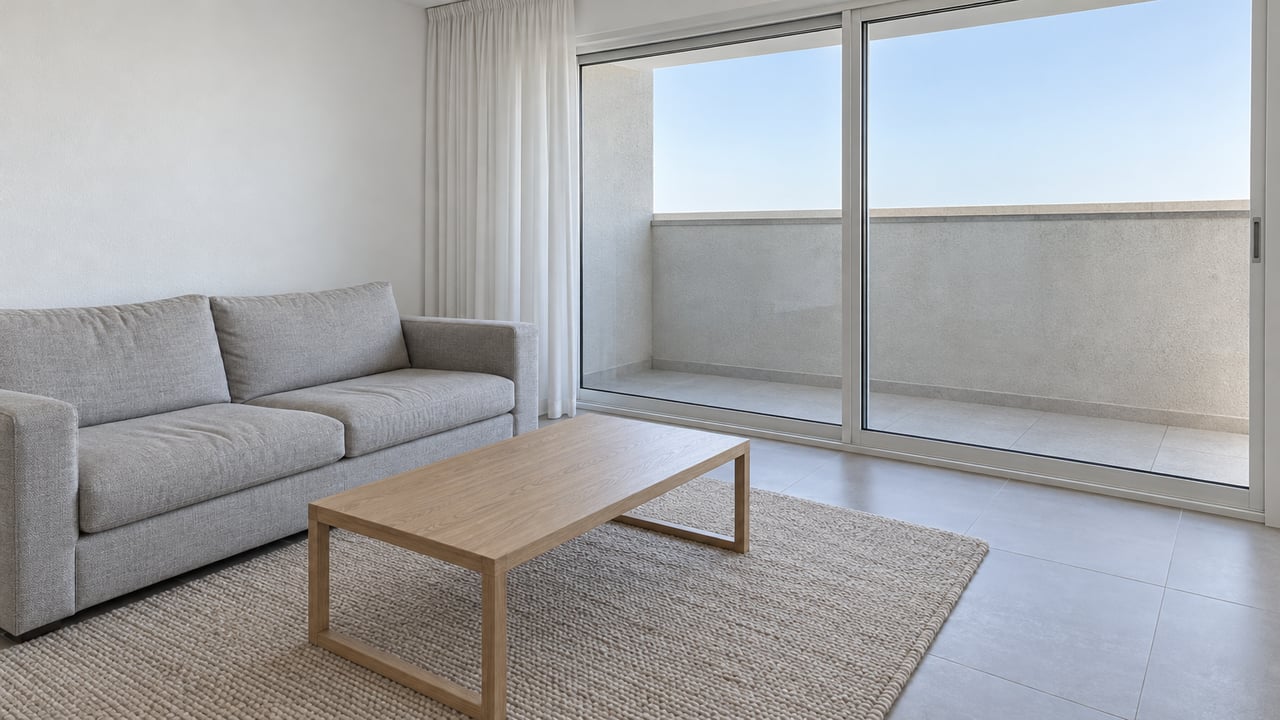
That is why the strongest presentation usually feels understated. A light palette, aligned furniture, clean window treatments, and uncluttered surfaces allow the home’s proportions, porches, and natural light to do the work.
Refresh the porch and exterior
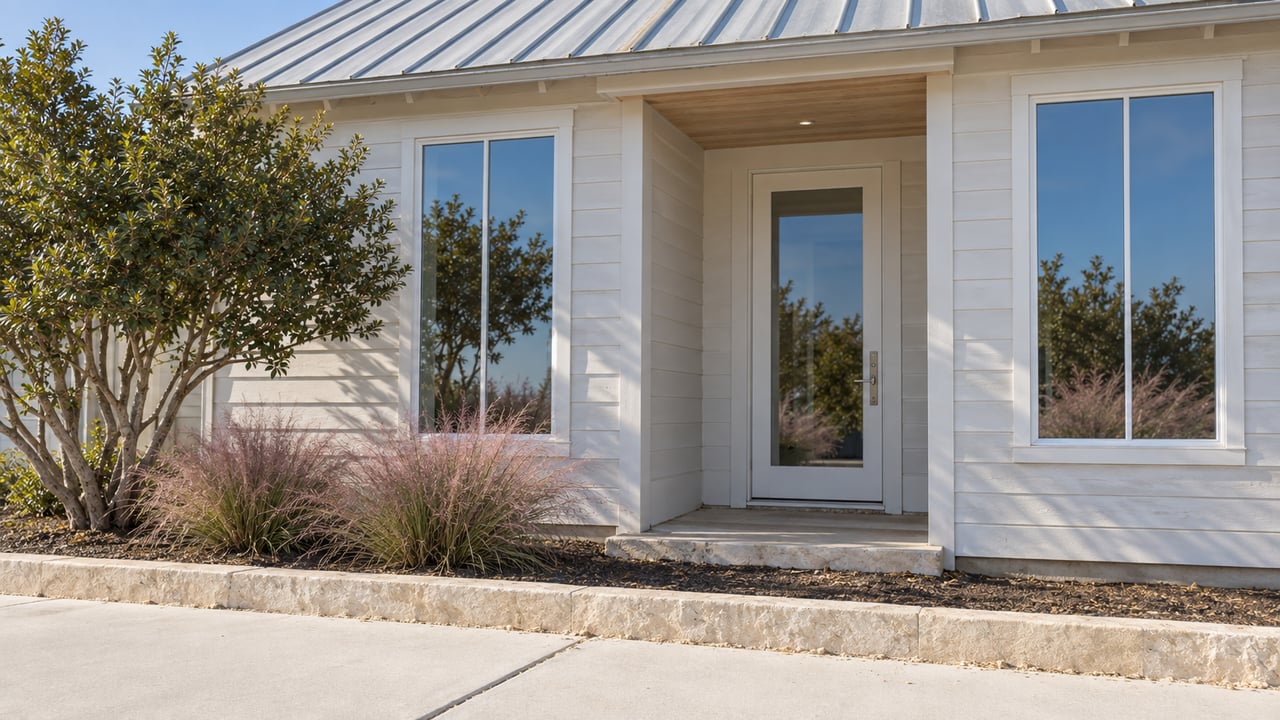
In Seaside, porch life is part of the appeal. Sweep and wash porch surfaces, edit outdoor furniture, replace tired cushions if needed, and make sure the front entry feels intentional.
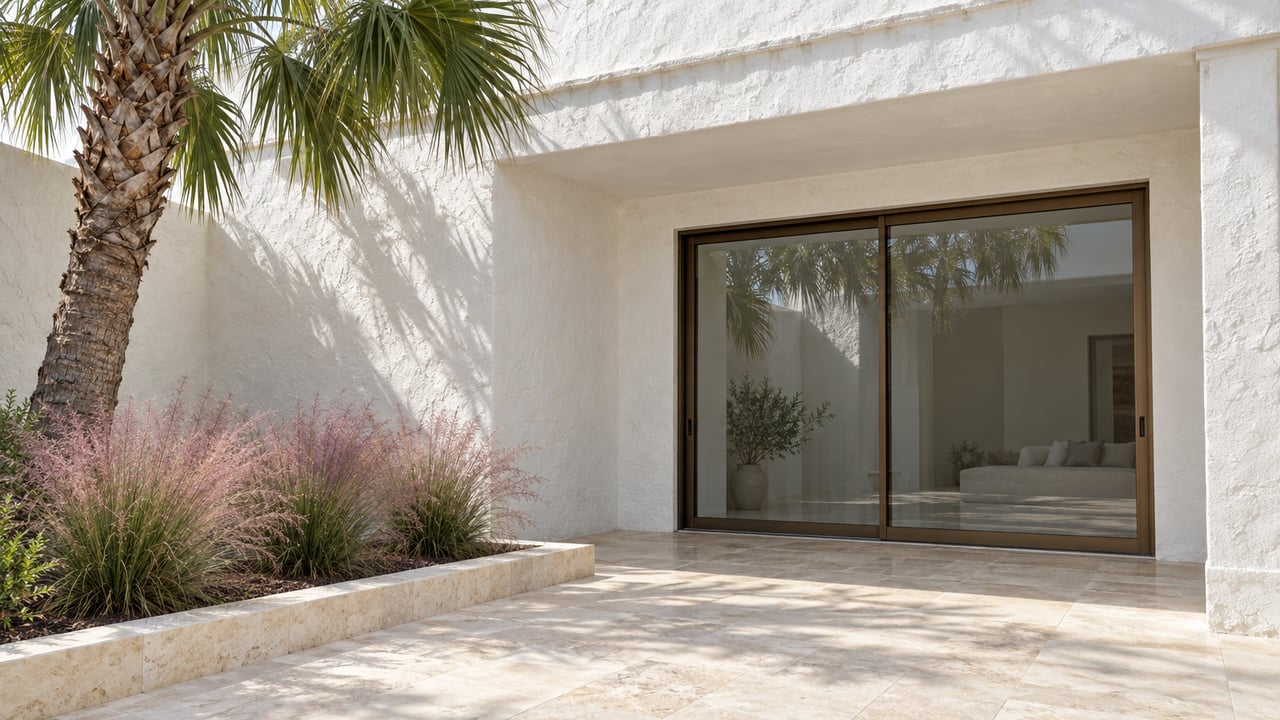
If landscaping needs attention, keep it simple and low-maintenance. Because Seaside highlights native plants and a regional architectural style, landscaping that feels natural and tidy will usually fit better than something overly decorative.
Keep decor relaxed, not themed
You do not need shells in every room or signs on every wall to sell a coastal property. In fact, too much themed decor can distract from the home and make rooms feel less refined.
Instead, aim for a polished, turnkey look. Think soft neutrals, light woods, comfortable seating, and a few well-placed accents that support the setting without overwhelming it.
Stage for a turnkey feel
Staging still has real value. NAR reports that 83% of buyers’ agents said staging made it easier for buyers to visualize a property as a future home, and 29% said staged homes received a 1% to 10% increase in dollar value offered. The same report found that sellers’ agents most often staged the living room, primary bedroom, dining room, and kitchen.
That is a smart order for Seaside sellers too. If your budget or timeline is limited, start with the rooms that shape the strongest emotional response and support a move-in-ready impression.
Prioritize these spaces first
- Living room: Create a layout that feels conversational, open, and easy to walk through.
- Primary bedroom: Keep bedding simple, light, and hotel-like.
- Dining area: Help buyers see how the home works for everyday meals or hosting guests.
- Kitchen: Clear counters and leave only a few functional, attractive items.
Seaside’s onsite rental operation describes a full-service, hospitality-style experience for a large collection of homes. That context supports a furnishings strategy that feels ready to enjoy now, not like a project a buyer has to finish after closing.
Show function, not just style
A well-staged cottage should answer practical questions without saying a word. Where would you gather with friends? Where would you set down beach bags? Where would you have coffee in the morning?
When each room has a clear purpose, buyers can picture themselves using the home right away. That sense of ease is powerful.
Build a stronger media plan
Many buyers will meet your home online long before they ever visit in person. According to Zillow’s 2025 buyer research, floor plans were the most important listing feature for buyers, followed by high-resolution photos and 3D or virtual tours.
That means your launch should begin with strong visuals and a clear sense of layout. Video can add value, but it should support great photos and a clean floor plan, not replace them.
Lead with photos and a floor plan
Professional still photography should be your first priority. Buyers need bright, accurate images that show room size, light, finishes, and how indoor spaces connect to porches and outdoor areas.
A floor plan adds another layer of confidence. It helps buyers understand flow, compare the home to others, and return to the listing with clarity as they narrow their choices.
Add video or virtual tours thoughtfully
Video and 3D tours can help communicate movement through the home, especially in a place where walkability, entry sequence, and porch connections matter. They are best used to show how the house lives, not just to create a pretty highlight reel.
For remote buyers and second-home shoppers, this kind of media can be especially helpful. It gives them a better feel for the property before they decide whether to travel for an in-person visit.
Plan ahead for Seaside approvals
In Seaside, media planning has an extra local step. According to Seaside’s photography request policy, real estate photography and videography require approval, residential-area shoots are subject to Seaside Town Council approval, and the town asks for up to 48 hours for approval.
The same policy also notes restrictions on drones over the commercial district, including areas such as the Amphitheater, Central Square, and Coleman Pavilion beach access. If your marketing plan includes photography, video, or aerial content, build that approval window into your timeline.
Why timing matters
Too many sellers think of media as a last-minute item. In Seaside, that can create delays right when you want to launch.
A smoother plan is to finish cleaning, repairs, and staging first, then schedule approved photography and any supporting media with enough lead time. That keeps your listing launch organized and helps everything look consistent on day one.
Focus on move-in-ready appeal
Today’s Seaside buyers are often looking for ease. Whether they are searching for a second home, a full-time residence, or a property that feels immediately usable, they tend to respond to homes that feel polished and ready.
That does not mean every finish must be brand new. It means the overall presentation should feel clean, cohesive, and thoughtfully maintained.
A simple prep checklist
Before your cottage goes live, make sure you have covered these essentials:
- Decluttered visible living areas
- Deep cleaned the entire home
- Repaired small cosmetic issues
- Refreshed the porch and front entry
- Simplified decor and furniture layouts
- Staged the living room and primary suite first
- Scheduled professional photography
- Added a floor plan if possible
- Planned video or virtual-tour assets strategically
- Allowed time for Seaside media approvals
When you prepare the home around how buyers actually shop, you improve both the online first impression and the in-person experience.
The right strategy for Seaside sellers
Selling in Seaside is not about making your cottage louder. It is about making it clearer. Buyers should be able to see the architecture, feel the lifestyle, and understand how easily they could step into the home and enjoy it.
That is why the best prep plan is usually simple: clean thoroughly, repair what distracts, stage the most important rooms, and launch with strong visual media. In a selective market, those basics can make a meaningful difference.
If you are getting ready to sell, Sold in Paradise can help you shape a smart prep and marketing plan that fits your property, your timeline, and the way Seaside buyers shop.
FAQs
What should sellers in Seaside, Florida fix before listing a cottage?
- Sellers in Seaside should usually start with visible cosmetic issues such as chipped paint, worn trim, loose hardware, outdated light bulbs, dirty windows, and porch wear that could distract buyers in photos or showings.
How important is staging for a Seaside cottage sale?
- Staging is important because NAR reports that it helps buyers visualize the home more easily, and the best places to start are typically the living room, primary bedroom, dining area, and kitchen.
What kind of decor works best when selling a Seaside beach cottage?
- The best decor is light, simple, and cohesive, with minimal themed accessories so the home’s architecture, natural light, and porch connections remain the focus.
Do sellers in Seaside need approval for real estate photography or video?
- Yes. Seaside’s published photography policy says real estate photography and videography require approval, residential shoots may need Town Council approval, and sellers should allow up to 48 hours for the process.
What listing media matters most to buyers shopping for Seaside homes?
- Zillow’s 2025 buyer research found that floor plans, high-resolution photos, and 3D or virtual tours were the top listing features, so sellers should prioritize those assets before adding video.
Why does curb appeal matter for Seaside cottages?
- Curb appeal matters because Seaside is strongly associated with front porches, walkability, native landscaping, and regional architecture, so the exterior presentation shapes how buyers experience the property from the start.