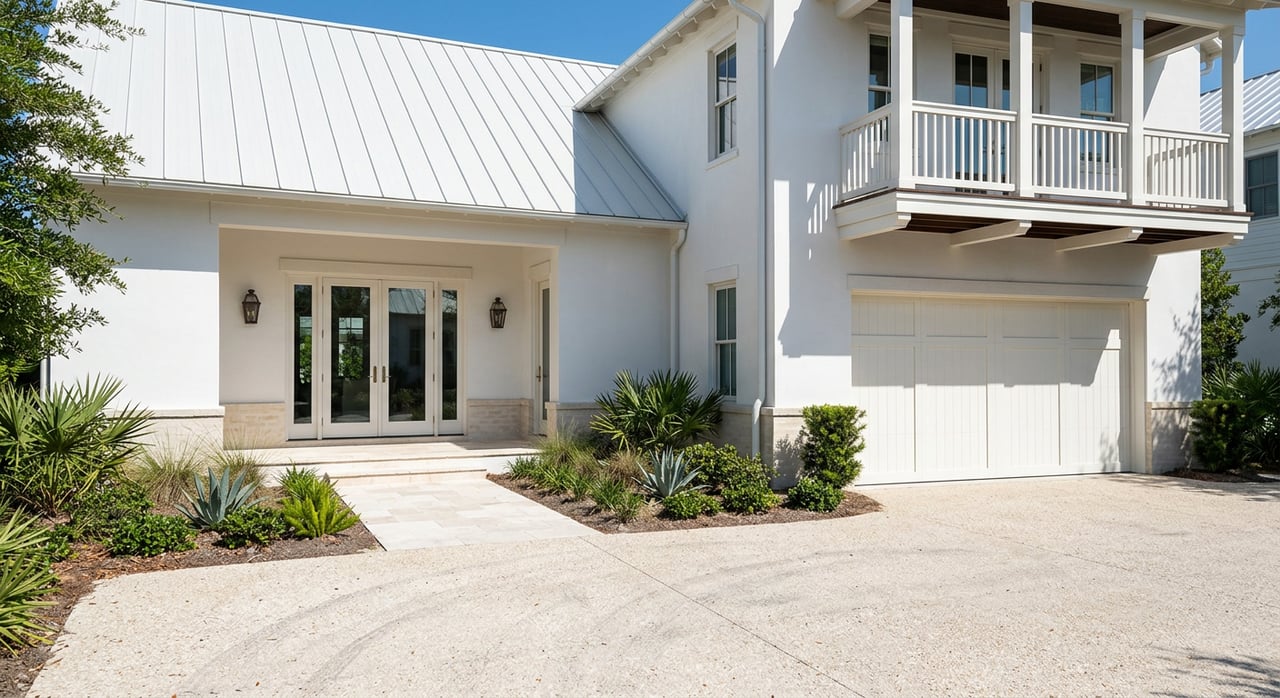
Thinking about listing your Rosemary Beach home, but not sure where to start? You are not alone. This village is beautiful, design focused, and unique. That means your prep work, timing, and paperwork matter more than in a typical neighborhood. In this guide, you will learn how to plan your timeline, navigate ARB rules, gather coastal disclosures, price with confidence, and market your home to both lifestyle buyers and investors. Let’s dive in.
Know the Rosemary Beach market
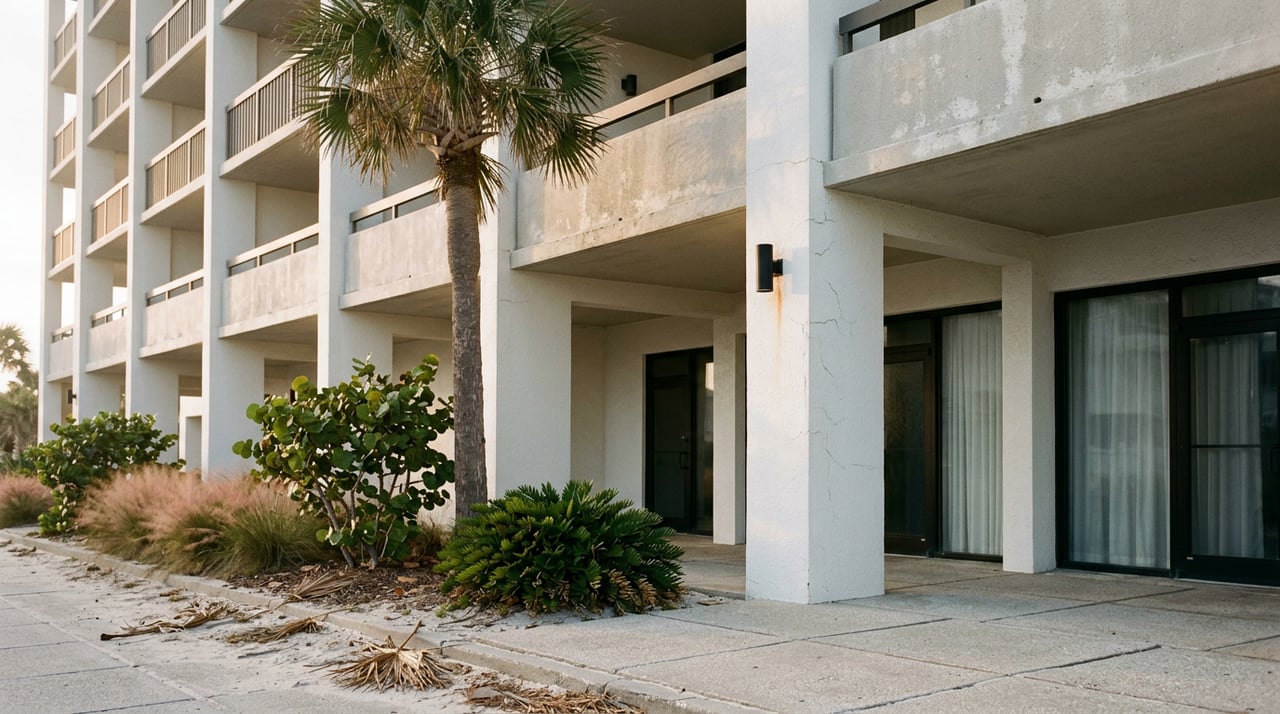
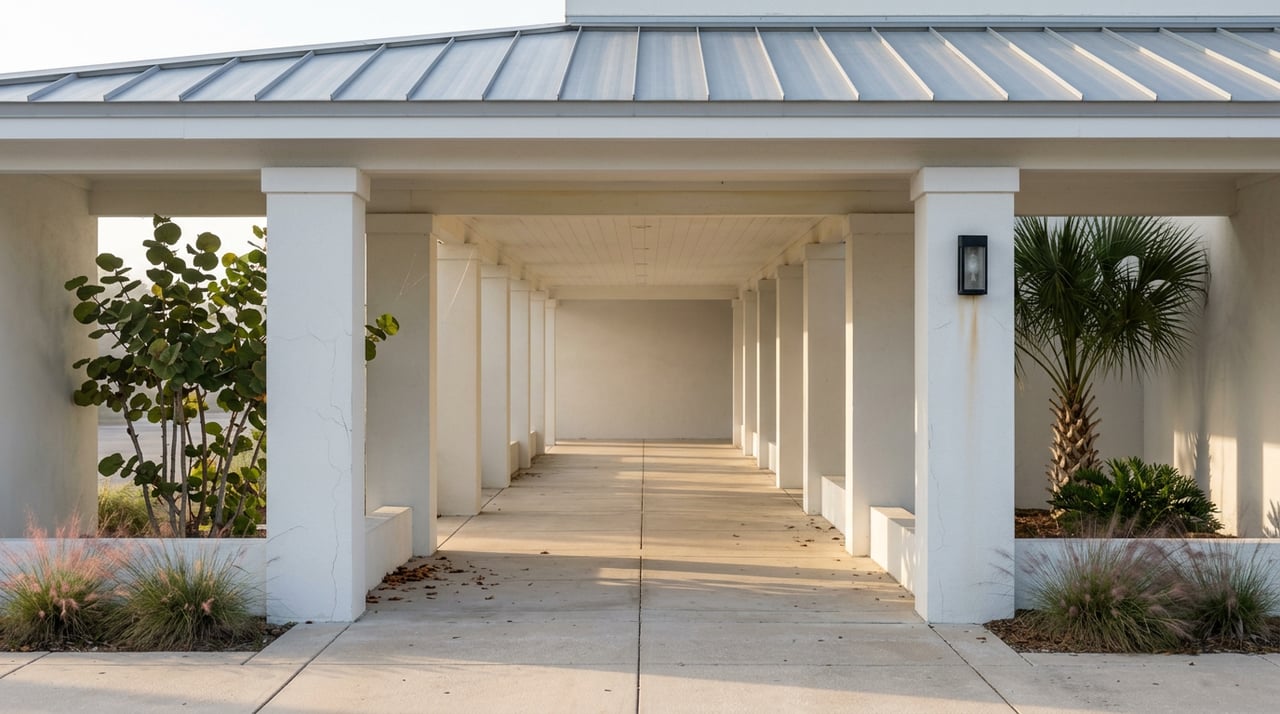
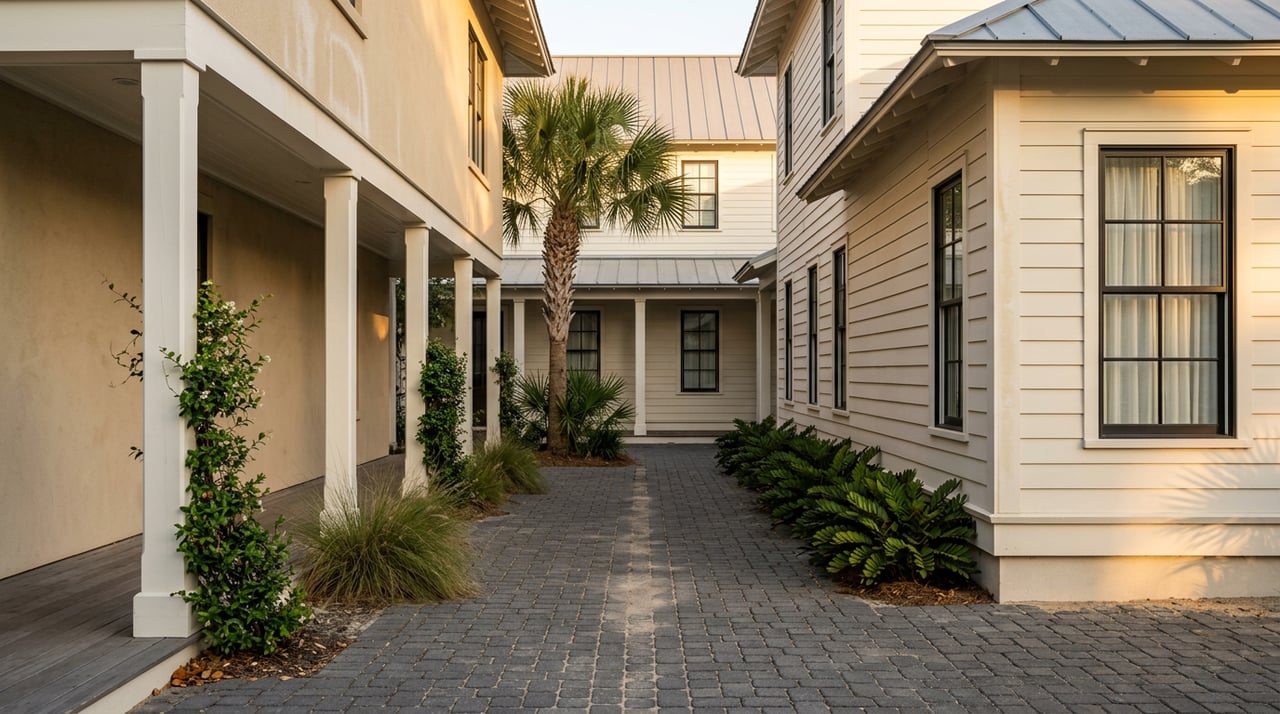
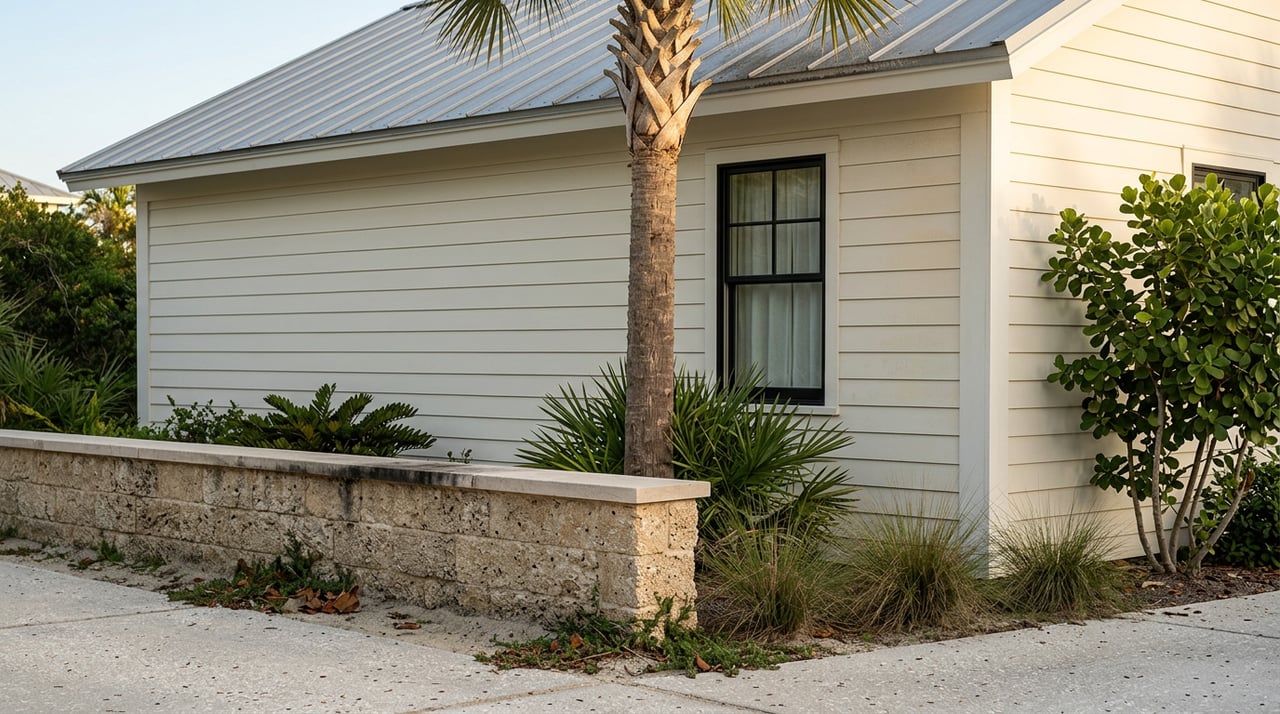
Rosemary Beach is a New Urbanist village with a strict architectural code and limited inventory. Buyers come for the walkable town center, boardwalks, porches, and cohesive design. That design sensitivity protects values and also shapes what you can change before you sell.
Many buyers in this area are second‑home owners or investors. Short‑term rental performance often drives their decisions. Market analytics for Rosemary Beach show clear seasonality with stronger nightly rates in late spring and summer, then softer demand in winter. You will get more traction with investors if you present verified rental numbers and seasonality context from the start. You can reference third‑party trends, such as the Rosemary Beach summary on AirROI, then back it up with your own records.
Map your timing and listing window
Your timing should fit three things. First, your project list and any ARB approvals you need. Second, prime showing windows that do not disrupt paying guests. Third, the seasonal rhythm of the market.
Investor demand and vacation traffic often peak in summer. Winter can be a good time to prep, repair, and stage without heavy guest turnover. If your home is an active rental, plan photo shoots and showings for weekday mornings between checkouts when possible. You will protect reviews and still make the property accessible to serious buyers.
Understand ARB design rules
Rosemary Beach runs on a pattern book and design code. Exterior work is not a free‑for‑all. Even cosmetic exterior changes can require approval. Before you schedule painters or order new doors, review the community standards on the POA’s Our Architecture page.
Common items that trigger review include exterior paint color, roof replacement, windows and doors, porches and railings, fences and gates, visible mechanicals like HVAC units, and carriage house changes. The review process often involves drawings from a design professional and an application with fees. Local guidance notes that reviews can take several weeks to a couple of months for complex work, so build that into your plan. For practical timing context, see this local overview of ARB realities on 30A specialists’ site, Living in Rosemary Beach.
Pro tip: Contact the POA early, confirm submittal requirements, and get timelines in writing. Last‑minute exterior tweaks can delay your launch.
Gather required docs and coastal disclosures
Getting your paperwork ready early keeps buyers engaged and speeds up contract timelines.
- Short‑term rental registration. If you operate as a vacation rental, Walton County requires annual registration through its Vacation Rental Registration Program. Confirm your status, renew if needed, and note any inspections or conditions. Start at the county’s Vacation Rental Registration Program.
- Tourist Development Tax. Buyers will ask about net income. Make sure your rental numbers reflect required tax collection. Review district rates and filing steps on the Clerk site for the Tourist Development Tax.
- Flood and insurance disclosures. Florida requires sellers to disclose flood‑related history, including prior claims or federal assistance for flood damage. Gather claims records, insurance declarations, and any elevation certificate so you can comply at or before contract. See the Florida CFO’s summary of recent rules on Property Insurance Changes.
- FEMA flood mapping. Order an official determination for your parcel. If you have no elevation certificate, consider obtaining one. Lenders and insurers often ask for it. Start at the FEMA Flood Map Service Center.
- Sea‑turtle lighting. If your property is visible from the beach, verify that exterior lighting follows turtle‑safe guidelines, especially for photos or evening showings during nesting season. Review the FWC’s “Keep it LOW, LONG and SHIELDED” rules for sea‑turtle lighting.
- Beach and shoreline items. If you have a dune walkover or shoreline protection, gather permits and maintenance records. Many buyers will ask for this during due diligence.
Price with micro‑market drivers
In Rosemary Beach, small details move value. To price with confidence, document the features buyers and appraisers weigh most.
Primary drivers include:
- Lot and location. Gulf front, distance to the nearest walkover, and proximity to the town center.
- Building type and design fit. Compatibility with the pattern book, porch presence, and curb appeal that aligns with community standards.
- Carriage house. Quality, privacy, and flexibility. Include plans, occupancy limits, parking arrangements, and utility setup if separate.
- Systems and structure. Roof age, impact windows and doors, HVAC condition, and any wind or flood claim history.
- Approvals and permits. Copies of ARB approvals and documented maintenance help buyers trust the home’s history.
If you market to investors, provide actual rental statements, tax forms, and a simple breakdown of expenses. Make sure those figures account for Tourist Development Tax and any management fees. Seasonality matters here, so include both peak and off‑peak performance in your packet.
Prep presentation and curb appeal
This community rewards clean, well‑kept details that fit the design code. Start with maintenance. Repair porch railings, touch up approved trim colors, clean walkways, and tidy plantings. When in doubt, use the POA’s architectural guidance as a style checklist so your exterior reads “Rosemary Beach” without crossing into unapproved changes.
Inside, aim for neutral, bright spaces with light textures and minimal theme decor. Let porches, balconies, and indoor to outdoor flow be the hero. Staging the living room, kitchen, and primary bedroom can increase engagement. The National Association of Realtors reports that staging and high‑quality photography boost buyer interest and perceived value. Review research and tips on NAR’s page for Staging a Home.
For marketing media, plan a full package:
- Professional still photography for interiors and exteriors, plus one twilight exterior.
- Aerial photos and a short aerial video to show beach proximity and village context.
- A concise walk‑through video and a 3D tour for remote buyers.
- Clear floor plans and a site sketch that highlights boardwalk and walkover distance.
If you use drone media, hire a licensed pilot. Commercial drone work must follow FAA Part 107 rules. A certificated pilot will handle airspace and Remote ID compliance. You can read the FAA overview of Part 107 requirements.
Coordinate showings with rentals
If your home is rented, a clean plan protects guest experience and keeps your listing market ready.
- Confirm registration and taxes. Have your Walton County rental registration and TDT account details on hand if you operate as an STR.
- Sync with your manager. Ask them to block short weekday windows for photos and in‑person showings, and to notify booked guests in advance.
- Set same‑day readiness. Keep a reliable cleaning crew on call and a secure lockbox or keypad system for agent access.
- Market both units. If you have a carriage house, stage and photograph both spaces. A virtual tour for the guest unit can reduce guest disruption.
- Offer virtual showings. Many buyers are remote. A live video tour helps serious prospects move forward faster.
- Build a “Seller’s Dossier.” Include ARB approvals, permits, inspections, flood and insurance docs, rental statements, and POA information. Having this ready speeds due diligence.
Your 8‑week pre‑listing timeline
Use this plan to stay on track. Adjust for your project scope and ARB needs.
Weeks 8 to 6 out
- Meet with a local agent who knows Rosemary Beach. Request an ARB submittal checklist, a contractor shortlist with community experience, and comps for your exact lot type. Begin any ARB applications for exterior work you want to complete before listing.
Weeks 6 to 4 out
- Complete priority repairs. Service HVAC, address roof or window items, and handle termite or drywood treatment if needed. Book your photographer and licensed drone pilot, and schedule staging. Confirm Walton County STR registration and your TDT status if selling as an STR. Order your FEMA flood map and collect any elevation certificate.
Weeks 4 to 2 out
- Finalize ARB approvals or note any pending items for your disclosures. Finish staging and deep cleaning. Capture stills, aerials, and video. Assemble your Seller’s Dossier with ARB approvals, insurance claims history, flood and elevation docs, rental statements, and POA documents.
Week 1 to launch
- Go live with full media and an easy path for virtual and in‑person showings. Coordinate the rental calendar around prime showing windows. Keep your manager and cleaning crew on standby for quick turnarounds.
What to expect after launch
Resort markets can show variable days on market by season. Strong media, clear disclosures, and a scheduled showing plan help you stand out. Expect detailed questions about ARB history, flood exposure, and rental performance. Share your Dossier early to build trust and keep deals moving. For remote buyers, offer same‑day video tours and quick document delivery. Your goal is simple. Make it easy for a serious buyer to say yes.
Ready to talk through your plan, from ARB timing to polished media and pricing strategy tailored to your lot and building type? Connect with Sold in Paradise for a local, concierge approach backed by RE/MAX reach.
FAQs
Do I need ARB approval to repaint before listing in Rosemary Beach?
- Most visible exterior color changes require ARB review in Rosemary Beach. Contact the POA early, request the application checklist, and confirm your timeline before you schedule painters.
What short‑term rental paperwork should I give buyers in Walton County?
- Provide your county rental registration, any inspection or safety certificates, recent TDT filings or summaries, and verified rental income statements. Include management agreements if they will transfer.
How do I disclose past flooding or claims when selling in Florida?
- Florida requires flood‑related disclosures, including prior claims or federal assistance for flood damage. Gather insurance declarations, claim records, and any elevation certificate so you can disclose at or before contract.
Can I use a drone to market my Rosemary Beach home?
- Yes, if you hire an FAA Part 107 certificated remote pilot. They will manage airspace and Remote ID compliance. Do not operate a drone for listing media without a licensed pilot.
How do I handle showings when I have active vacation bookings?
- Work with your manager to block short weekday windows, notify guests in advance, and keep a cleaning crew on standby. Offer virtual tours for remote buyers and keep a clear key or code system for agents.