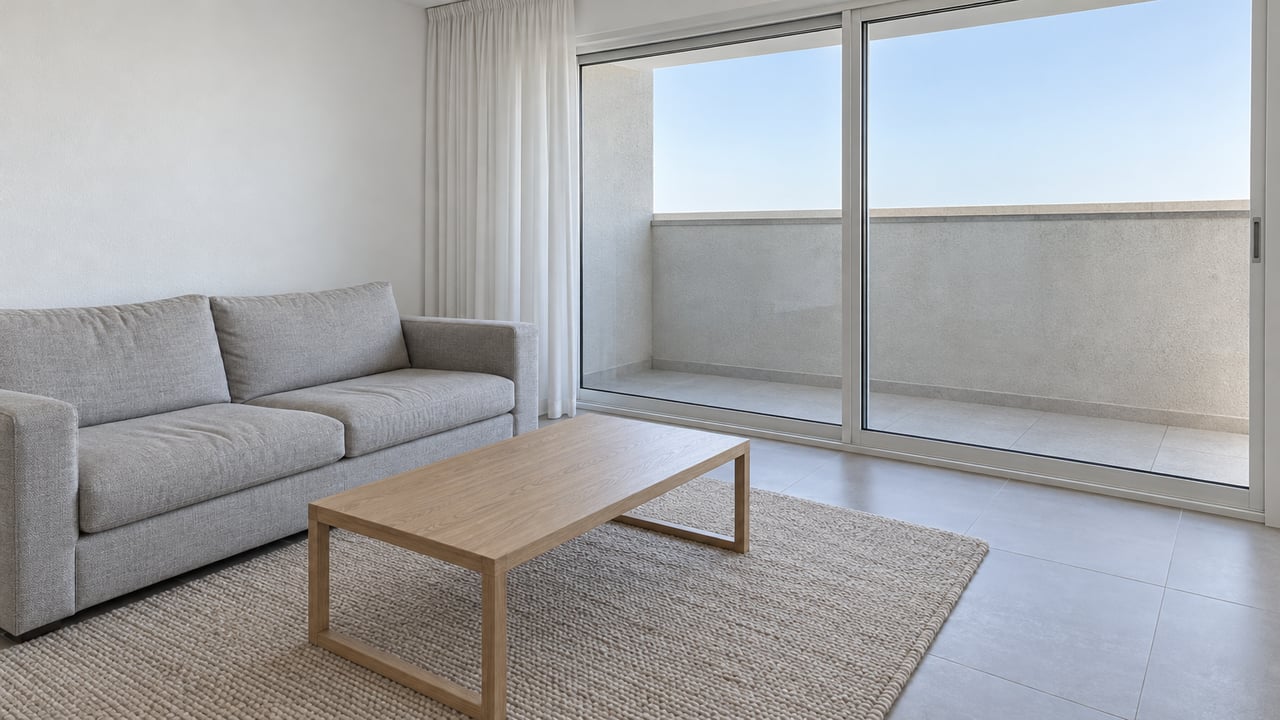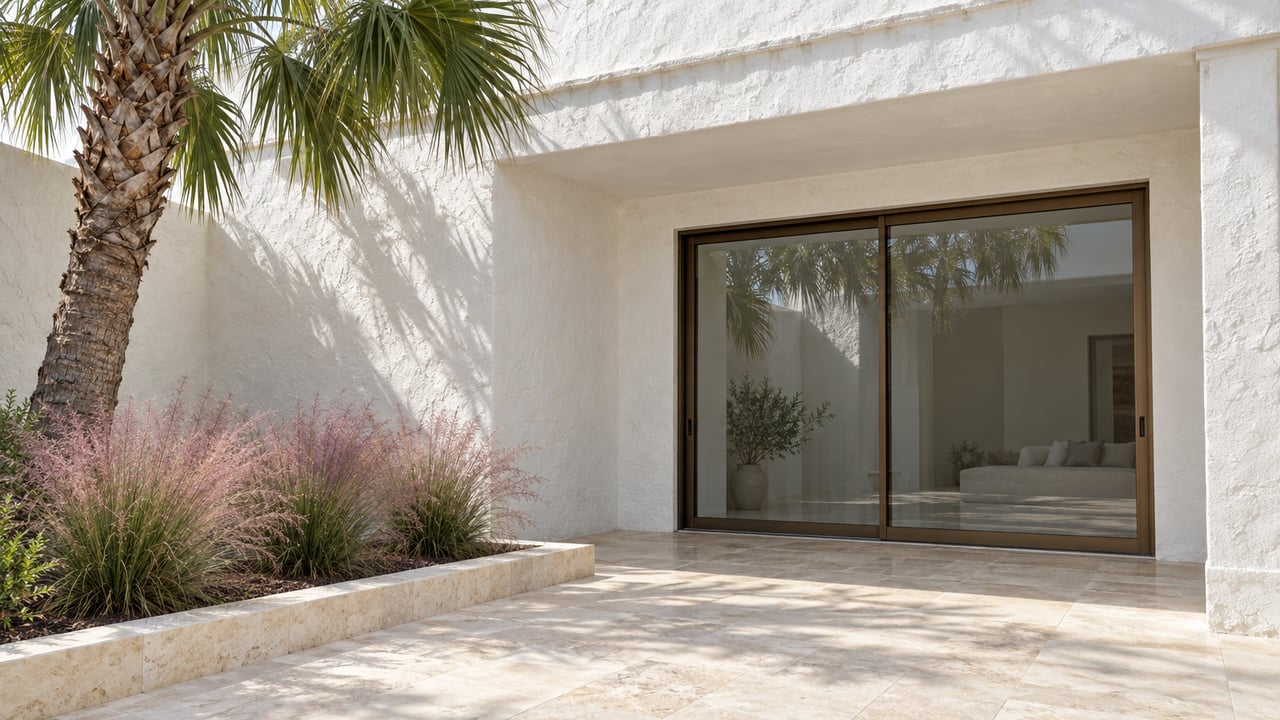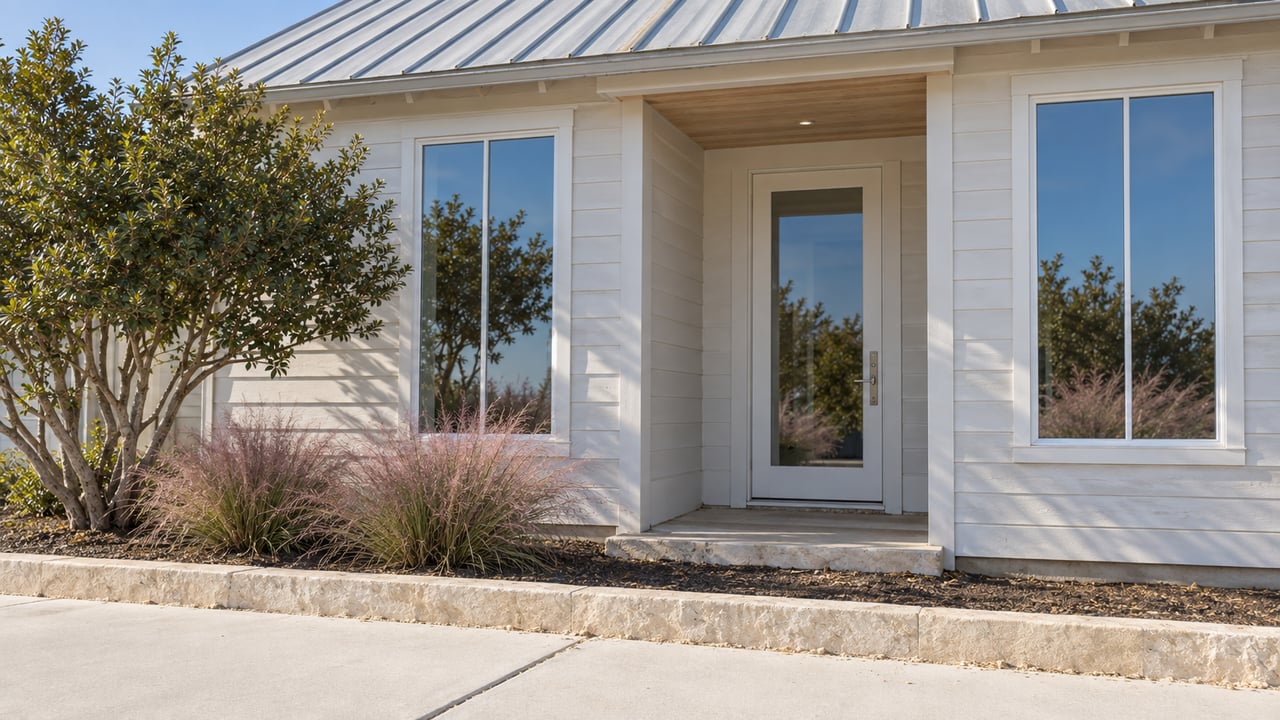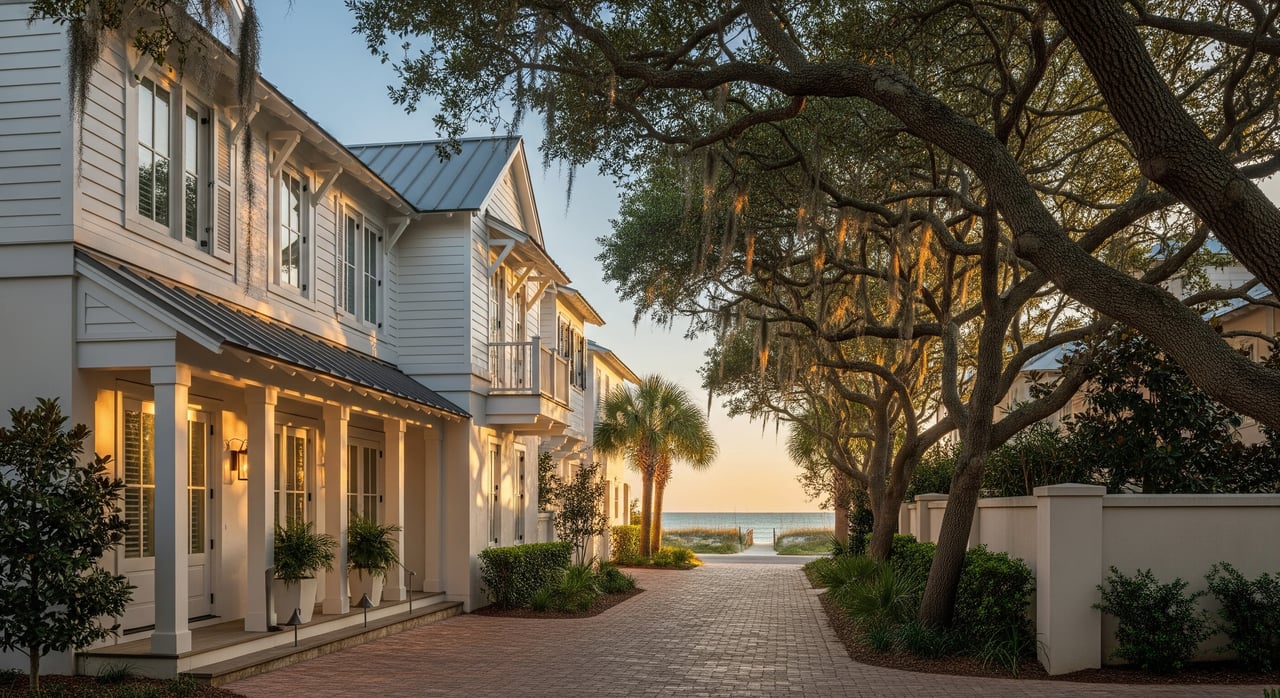
Think a single price per square foot tells you what a Rosemary Beach home is worth? It is tempting because the number is quick and tidy, especially when you are scrolling listings from out of town. But in this design-driven, resort community, that shortcut often points you in the wrong direction. In this guide, you will learn why PPSF falls short here and how to value a Rosemary Beach property the way informed buyers, sellers, and appraisers do. Let’s dive in.
Why price per square foot misleads
Price per square foot is a simple ratio. It takes the sale price and divides it by a home’s reported area. The problem is that the “area” piece varies and the number hides critical differences that drive value in Rosemary Beach.
- Area is measured differently. Some figures use gross living area (heated/air-conditioned space), while others include porches or garages. That inconsistency skews the math.
- Functional utility is ignored. Bedroom count, bathroom placement, ceiling heights, and floor plan efficiency are not reflected in PPSF.
- Location is missing. Lot placement, views, and proximity to beach walkovers move prices materially, even when square footage is the same.
- Rental income and rules matter. In a vacation market, documented revenue and permitted use can change what buyers will pay, which PPSF does not capture.
When you rely on PPSF alone, you flatten the very features that make homes on 30A desirable and different from one another.
Local factors in Rosemary Beach
Diverse home types and vertical design
Rosemary Beach blends narrow-lot cottages, townhouses, and gulf-front residences. Many homes are multi-story with stacked living areas, porches, roof decks, and detached garages. Two homes with the same gross living area can live very differently. A 2,200 square foot vertical townhouse is not the same experience as a 2,200 square foot single-level cottage. Strict design standards also create premiums for certain architectural features that PPSF cannot see.
Lot placement and beach access
Proximity to dune crossovers, deeded access, and walkovers often produces a pronounced premium. Orientation and view corridors also matter. A partial gulf view versus an open gulf view is a binary or graded difference that a simple average erases. In Rosemary’s town plan, alley frontage versus primary street frontage can influence desirability despite identical interior space.
Outdoor living that counts
Screened porches, second-floor piazzas, roof decks, and covered outdoor rooms are central to coastal living. Yet most measurement standards exclude these areas from gross living area because they are unconditioned. When you only price the heated square footage, you undervalue homes where outdoor living is a major part of the experience.
Short-term rentals and rules
Vacation rentals are a big part of the Rosemary Beach market. Many buyers lean on an income approach that considers gross rental revenue, net operating income, and observed cap rates. Seasonality drives outsized spring and summer performance. HOA covenants and county rules also affect the ability to rent. Two similar homes can have different value if one has a strong, documented rental history and the other does not.
Flood zones, elevation, and insurance
FEMA flood zones and coastal construction rules influence cost and layout. Elevated foundations, flood vents, and raised parking can change how space is used and what it costs to insure. PPSF rarely accounts for different ongoing expenses, which change a property’s net value.
Custom finishes and scarcity
Many Rosemary Beach properties are architect-designed and highly customized. Unique details, high-end finishes, elevator shafts, and built-ins can create significant premiums. Replacement cost and scarcity can matter more than any flat per-foot ratio for these one-of-a-kind homes.
A better way to compare value
Segment your comps
Start by creating a narrow, apples-to-apples pool of comparables.
- Beachfront (direct gulf front)
- Gulf-view (partial or full)
- Walk-to-beach interior lots within a short distance to crossovers
- Alley versus primary street frontage
- Rental-focused versus primary-use properties
- Property type: cottage, townhouse/rowhouse, standalone single-family, multifamily/income
When you segment first, your comparisons immediately become more reliable.
Standardize square footage
Be explicit about which measure you are using. Prefer gross living area (heated/air-conditioned space) for consistency and note what is excluded, such as porches, balconies, garages, and roof decks. Then call out those excluded features separately because they may carry meaningful market value even if not counted in GLA.
Adjust for location and lot attributes
Do not wash out location differences by averaging. Make adjustments for the things buyers feel the moment they walk the lot.
- Distance to dune crossover or walkover
- View corridor and orientation
- Street frontage versus alley
- Documented deeded beach access
A short checklist like this helps you compare like with like.
Value outdoor living and usable area
On the Gulf Coast, outdoor living functions as an extension of the home. If a property has large screened porches or roof decks, account for them. One practical method is to compute an “effective living area” by counting a percentage of high-utility outdoor space, then making a transparent adjustment. Alternatively, apply a direct price adjustment for exceptional outdoor areas.
Use the income approach for rentals
For short-term rentals or mixed-use ownership, supplement market comps with income analysis.
- Review trailing rental history and management statements n- Normalize for seasonality and occupancy patterns
- Estimate net operating income after management and fixed costs
- Apply observed cap rates for comparable Rosemary Beach or 30A properties
Buyers who care about cash flow will weigh this data heavily alongside PPSF.
Factor flood, elevation, and insurance
Model likely annual flood insurance, wind, and maintenance costs. Elevation can be positive for risk but may push main living spaces upstairs. If a comparable’s price looks outside the range, check its flood zone and build elevation before drawing conclusions.
Time window and inventory reality
The Rosemary Beach market is low volume and highly segmented. Use a tighter window of recent sales when possible, typically the last 6 to 12 months. For rare property types, you may need to widen the window but note why the older sale is still relevant. Avoid pulling county-wide PPSF averages that dilute Rosemary’s design and location premiums.
Document qualitative adjustments
Create a short adjustments worksheet for each comp. Include architecture and finish level, layout efficiency, indoor-to-outdoor ratio, elevator, pool, private beach rights, deeded parking, HOA rules, rental history, and flood risk. When numeric adjustments are uncertain, market interviews with local agents and managers can help right-size them.
Triangulate your value
Lean on three lenses together for a confident value range:
- Comparable sales (after segmentation and adjustments)
- Income approach (for rentals and mixed-use ownership)
- Replacement cost perspective (for custom, architect-designed homes)
Report a range, not a single number, and explain your rationale. This mirrors how experienced appraisers and informed buyers think.
Quick scenarios that fool PPSF
The vertical townhouse versus the cottage
Both homes show 2,200 square feet of GLA. The townhouse stacks bedrooms above living spaces and faces an alley; the cottage offers a more open, single-level feel with a larger porch that is not counted in GLA. PPSF makes them look equal. In practice, layout and outdoor living push buyers toward one or the other, creating a price gap not visible in the ratio.
Interior lot near a walkover versus deeper interior
Two similar homes on interior lots show nearly identical PPSF. One sits a few doors from a dune crossover and has a partial view corridor. Expect a premium that PPSF averages hide without a location adjustment.
Documented rental history versus no history
Two comparable cottages present the same size and finish. One has two years of verified rental income and reviews; the other is owner-occupied with no rental track record. Investor buyers value the first more because the income risk is lower. PPSF alone misses that difference.
For sellers: how to beat the PPSF trap
You can support a stronger list price by presenting what PPSF ignores. Gather and share:
- Recent rental history with occupancy and rate detail
- A features sheet listing porches, decks, roof decks, pool, elevator, and any deeded access
- A summary of upgrades, maintenance records, and transferable warranties
- Flood zone and elevation information plus insurance documentation
- Clear notes on measurement: what is counted in GLA and what is not
These items make your value story credible and help buyers compare your home fairly.
For buyers and investors: your quick checklist
- Are the comps segmented by beach proximity, view, and frontage type?
- Which square footage measure is used and what is excluded?
- How are porches and roof decks being valued in the analysis?
- If renting, what is the verified trailing income and estimated NOI?
- What are the flood zone, elevation, and insurance implications?
- How recent are the comps and how similar are the finishes and layouts?
Bottom line for Rosemary Beach
PPSF is fine as a rough screening tool, but it is a blunt instrument in Rosemary Beach. The community’s vertical designs, outdoor living spaces, beach access patterns, vacation rental dynamics, and coastal construction realities demand a more thoughtful approach. When you segment comps, standardize measurements, adjust for location, value outdoor areas, and consider income and costs, you get a clearer price range and more confidence in your decisions.
If you want a clear, data-backed read on a specific home or plan to list in the next 3 to 6 months, our local team can help you build a segmented comp set, evaluate rental potential, and present your property the right way. Reach out to Sold in Paradise to start the conversation.
FAQs
Can I value a Rosemary Beach home using PPSF alone?
- PPSF can screen options, but it often misstates value here because it ignores location, outdoor living, rental income, and measurement differences.
Do porches and roof decks count in square footage in Rosemary Beach?
- Most measurement standards exclude unconditioned porches and decks from GLA, so value them with separate adjustments or an effective area method.
How much does beach proximity change value in Rosemary Beach?
- Proximity to dune crossovers and deeded access often commands a premium, so always segment comps by beachfront, gulf-view, and walk-to-beach categories.
How should investors evaluate Rosemary Beach homes beyond PPSF?
- Review verified rental history, estimate NOI, and apply observed cap rates alongside segmented sales comps for a balanced view.
Do flood zones and elevation affect what buyers pay?
- Yes. Insurance costs and mitigation requirements vary by flood zone and elevation, which changes net value even if PPSF looks similar.
What can sellers provide to justify a price that beats the averages?
- Share rental records, upgrade lists, outdoor living details, elevation and insurance info, and clear notes on what is included in GLA to support your pricing.