Wondering if you can park the car and live on foot in Seaside? You’re not alone. Seaside’s compact design, town square energy, and direct beach access make it a standout for walkable coastal living. In this guide, you’ll learn what daily life feels like without driving much, how far you’ll walk to the beach and town center, what to expect with bikes and parking, and how seasonality shapes your routine. Let’s dive in.
What walkable means in Seaside
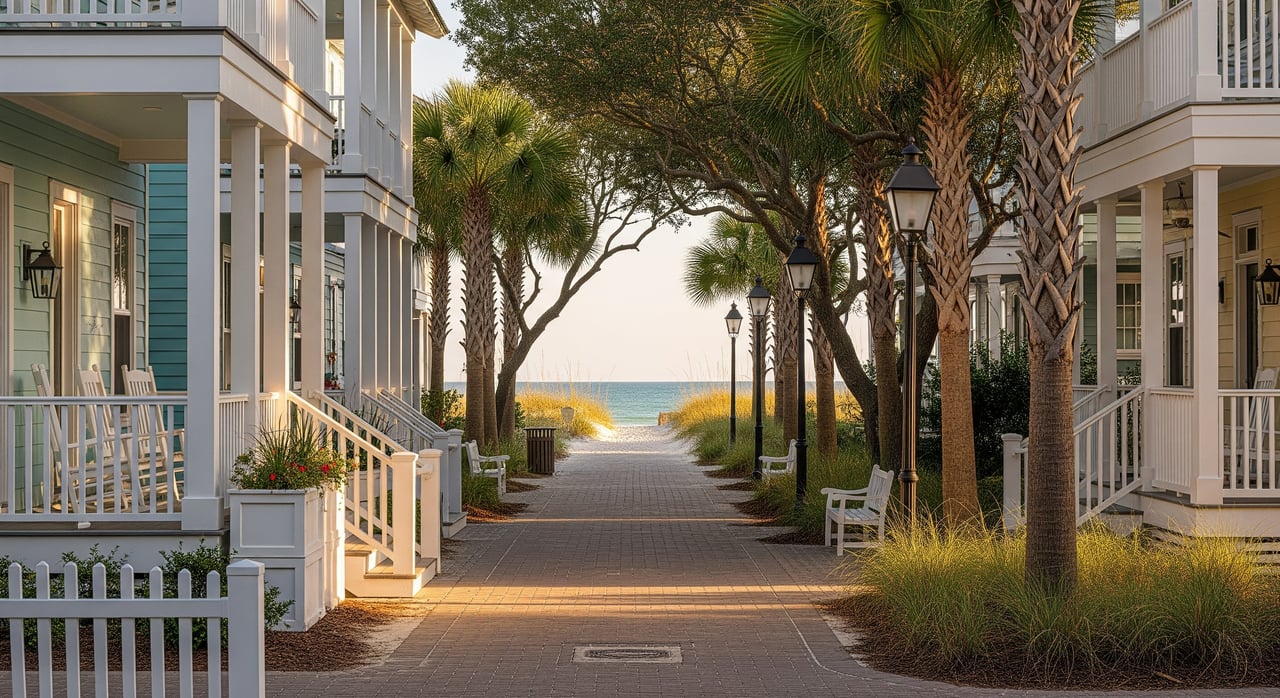
Seaside was planned with walkability in mind, with short blocks, narrow streets, and a central town center that anchors daily life. Many homes sit within a comfortable stroll of dining, shops, and the amphitheater. Public spaces and pocket parks give you plenty of reasons to be outside and on foot.
The big picture: the design supports walking for leisure and many errands. The actual mix of businesses shifts with the seasons, so you may still use a car for bigger grocery runs or medical appointments in nearby communities. On weekends and in peak season, sidewalks and access points feel lively and can be crowded.
Typical walk times to know
Use these quick conversions to estimate your own routes:
- 0.1 mile is about 2 minutes on foot.
- 0.25 mile is about 5 minutes.
- 0.5 mile is about 10 minutes.
Many homes in Seaside sit within a 5 to 15 minute walk of the town center or a beach access. Exact times depend on the specific cottage or lot, so verify from the front door of the property you’re considering.
Beach access realities
Seaside provides designated public beach access points with boardwalks over the dunes. Some homes are a few steps from a walkover, while others require a short walk or bike ride. During busy periods, expect more foot traffic at these entries and queues for nearby parking.
If you plan to host guests or rent seasonally, make a plan to reduce car trips to the sand. A beach wagon, clear walking directions, and bike parking help a lot on high-traffic days.
Biking on 30A and around town
Cycling is part of daily life along 30A. Seaside’s low-speed streets and short blocks make casual rides easy. For longer stretches, the paved 30A multiuse path, often called the Timpoochee Trail, links Seaside with neighboring beach towns and offers a flat, scenic route.
E-bikes and scooters are becoming more common. Check any HOA rules for storage or usage, and consider lights for evening rides since some areas have modest lighting after dark. For frequent errands, confirm a smooth connection from your street to the trail and to your go-to destinations.
Daily life: second home vs full time
- Second-home stays: Many owners choose Seaside to live car-light during visits. You can walk to the beach, dine out in the town center, and use bikes for most local needs. Plan to drive for bigger supply runs and regional errands.
- Full-time living: Year-round services like full-size supermarkets, pharmacies, and medical providers are spread across South Walton, so a car is practical for weekly shopping and appointments. School-age families should review Walton County School District zoning and transportation options.
Bottom line: Seaside makes everyday leisure and many errands easy without a car, but year-round households typically keep a vehicle for essentials.
Parking and visitor flow
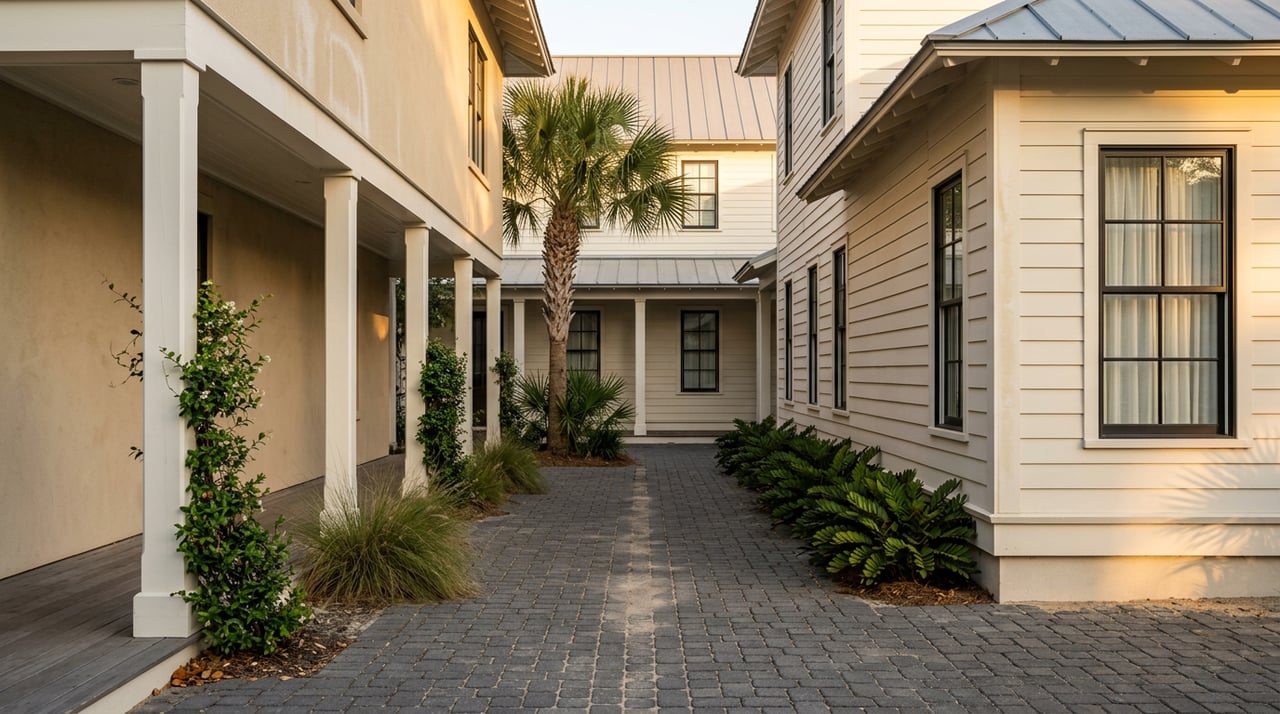
On-street parking in the core is limited by design and serves a mix of residents, guests, and day visitors. Peak season and special events increase demand, and lots can fill quickly. Many homes have alley access and off-street parking, but space varies by property.
If you plan to host guests or operate a short-term rental, inventory your spaces and set clear arrival instructions. Include overflow options, rideshare pick-up points, and bike resources to reduce friction. For larger deliveries, confirm truck access via alleys and the width of your drive.
How to evaluate a specific property
Walk the routes yourself. Do not rely only on the map. Time the front door to:
- The nearest beach access.
- The town center or main commercial cluster.
- Your preferred grocery or pharmacy location (if nearby) and any rideshare pick-up point.
Do this on a weekday morning, a weekend midday, and an evening. If you can, also visit during peak season or an event to see how crowds affect your pace.
Questions to ask before you buy
- What are the exact distances and typical walk times to beach access and the town center?
- How many private parking spaces are on the property, and what are the HOA or local rules for guest parking?
- Are there any restrictions on short-term rentals, parking, or visible vehicle storage?
- Where are the nearest full-service grocery, pharmacy, urgent care, and hospital, and what are typical driving times?
- Are there regular events or seasonal schedules that affect access to the home?
Bike and micromobility tips
- Storage and charging: Ask about secure bike storage and any e-bike charging options on-site.
- Safety: Expect mixed pedestrian, bike, and vehicle activity during busy times, and ride with lights at night.
- Rentals: Seasonal rental options are common along 30A, which is helpful for visiting guests who prefer not to drive.
Seasonal rhythm to plan around
Peak season runs roughly from late spring through summer, with additional spikes during spring break and holidays. You will see more foot traffic in the town center, longer waits at beach walkovers, and tighter parking conditions. Many owners adjust by walking early, biking to dinner, and booking reservations when possible.
A quick buyer checklist
- Walk it: Time your walk to the beach access and town center. Repeat at different times of day.
- Bike it: Test the route to the 30A multiuse trail and to nearby errands.
- Count spaces: Confirm the number and size of private parking spots and any guest options.
- Verify rules: Ask about HOA or local rules for parking, e-bikes, scooters, and visible vehicle storage.
- Map essentials: Note where you will go for full-service groceries, pharmacy needs, urgent care, and schools.
- Plan for guests: Create simple guidance for arrivals, parking, and car-light ways to reach the beach and town.
Is Seaside right for your lifestyle?
If you want to swap car keys for flip-flops during your stays, Seaside fits beautifully. You can walk or bike to the beach, gather in the amphitheater, and dine within minutes of home. For full-time living, expect a car for larger errands and medical visits, while enjoying a daily routine that keeps you outdoors and connected to the community.
Ready to explore Seaside’s streets and beach walkovers with a local guide? Connect with the team at Sold in Paradise for property tours and practical advice tailored to how you live. Find Your Slice of Paradise. Book a free 30A market consultation.
FAQs
Is Seaside, Florida walkable for daily life?
- Yes for many leisure activities and local errands, with most homes a short walk or bike ride from the town center and beach access; larger errands typically require a car.
How far are Seaside homes from the beach access points?
- Many homes are within a 5 to 15 minute walk, but distances vary by lot, so time the route from the specific property you’re considering.
What is the Timpoochee Trail and how does it help?
- It is the paved 30A multiuse path that links beach communities and offers a flat, scenic route for biking to errands, dining, and recreation.
Is parking in Seaside difficult during peak season?
- Parking is limited in the core and fills quickly during busy times; verify private spaces at the property and make a guest plan for arrivals and overflow.
Can I live car-free in Seaside year-round?
- You can live car-light for beach days and dining, but year-round residents usually keep a vehicle for full-service groceries, healthcare, schools, and regional access.
Are e-bikes and scooters allowed in Seaside?
- E-bikes and scooters are common along 30A, but usage and storage may be subject to HOA or local rules, so confirm guidelines for the specific property.