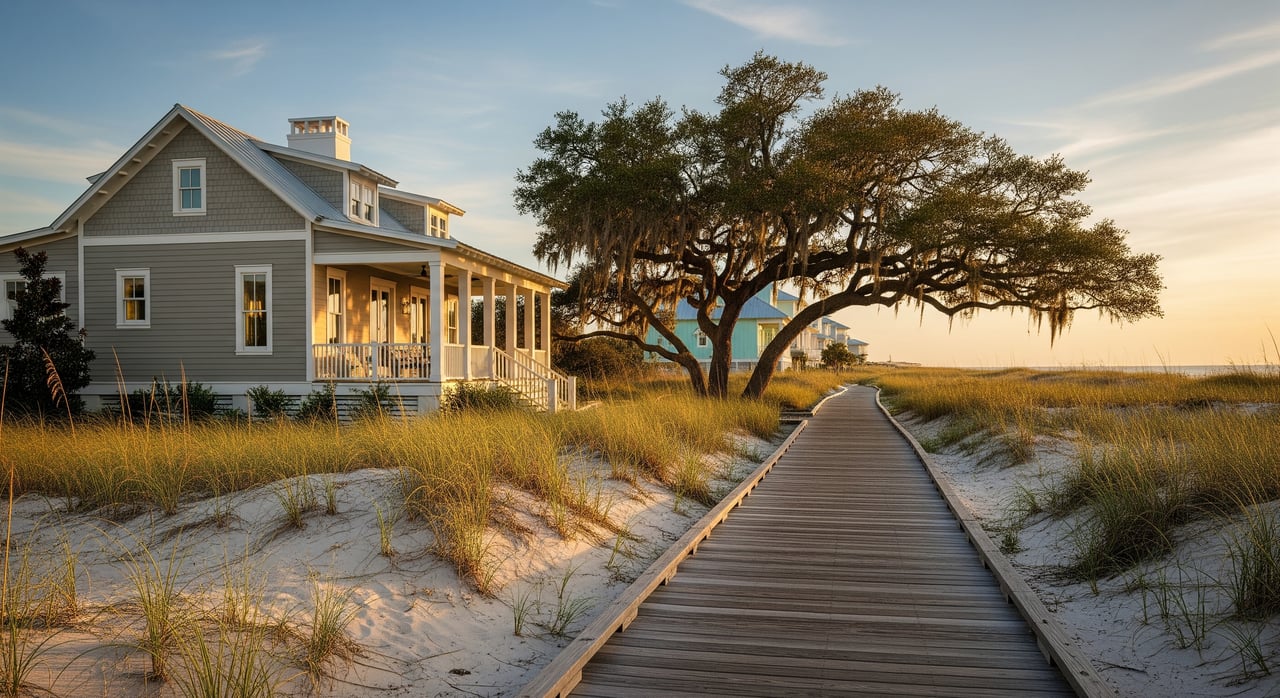
Trying to choose between WaterColor and Seaside on 30A? Both are stunning, but they live very differently once you get past the sugar-white sand and turquoise water. You want a home that matches how you relax, host, work, and move through your day. In this guide, you’ll compare walkability, privacy, amenities, rental rules, and ownership details so you can buy with confidence. Let’s dive in.
Quick take: how they differ
- Seaside centers around a compact town core with shops, dining, and frequent community events. It has a lively village feel, especially in peak season.
- WaterColor spreads out across neighborhoods, trails, and conservation areas with resort-style amenities and a more residential vibe.
- If you want to be in the middle of the action, Seaside often fits. If you want a bit more space, options for larger homes, and a resort setting, WaterColor may be better.
Your lifestyle priorities framework
Use these five lenses to zero in on the right fit for you.
Walkability and town vibe
Seaside is known for short blocks, connected sidewalks, and a central square that draws people at all hours. You can step out for coffee, stroll to dinner, and catch a market or concert without getting in the car. Expect high foot traffic during peak months and a steady visitor energy.
WaterColor offers walkable pockets near its inn and neighborhood retail, but its footprint is larger. You will find sidewalks and internal paths, yet your exact walk time to dining or beach access depends on the specific street. The tone is resort-residential, with a calm feel once you move away from the busiest nodes.
Privacy and space
Seaside lots and cottages tend to be smaller and closer together by design. That intimacy shapes the charming streetscape and village feel.
WaterColor spans different neighborhoods with a wider mix of lot sizes and home types. You will find more options for larger homes, garages, and outdoor space that support longer stays and year-round living.
Amenities and services
Seaside centers its amenities around the town core experience, events, and easy access to shops and food. Parking near the square can be tight in high season, so most owners and guests walk or bike.
WaterColor leans into resort-style living with pools, nature access, programming, and services geared to residents and guests. Access to some amenities is managed with guest or owner credentials.
Bikeability and trails
Both communities sit on the 30A corridor, which features the Timpoochee multiuse path that links neighborhoods for biking and walking. Seaside shines for short, pedestrian-friendly trips around the town center with slow vehicle speeds.
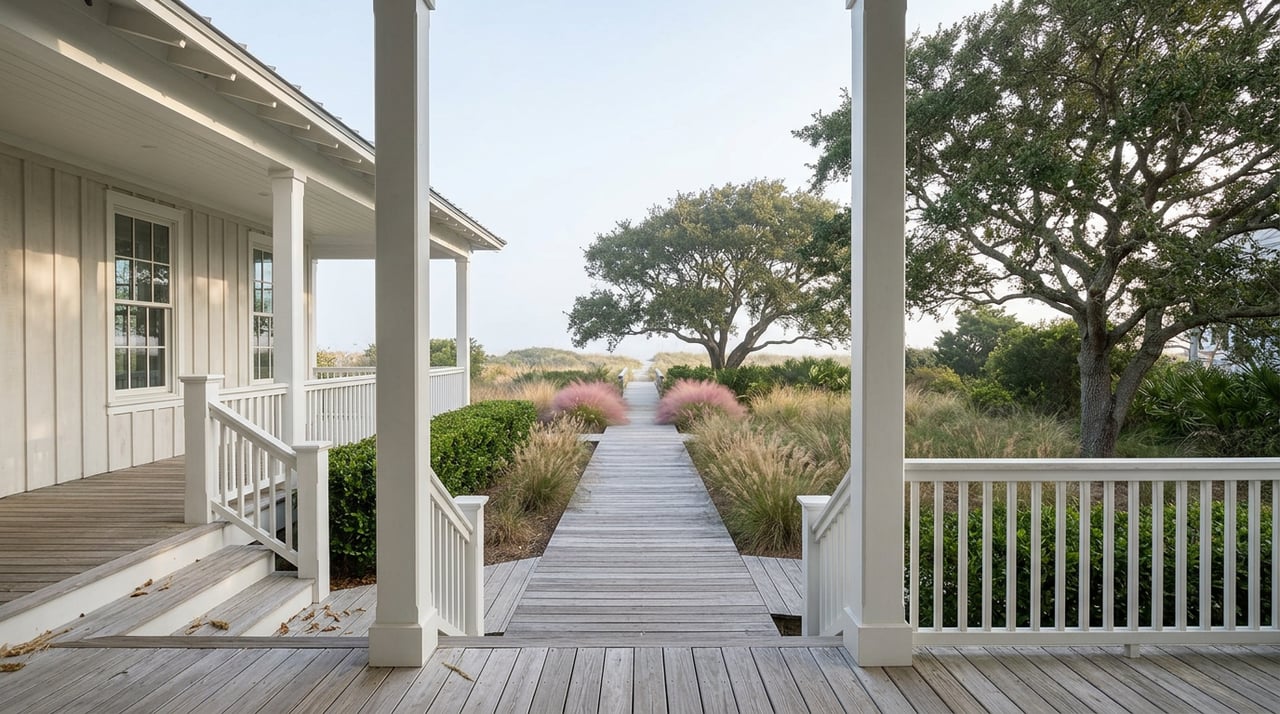
WaterColor adds extensive internal sidewalks and nature trails, which make biking and walking part of daily life. Your experience will vary by the exact pocket of the community and distance to the beach or retail.
Rental potential and rules
Short-term rental potential depends on location, home type, and specific community rules. On 30A, many neighborhoods set minimum stays or special requirements. County registration, taxes, and safety rules apply and can change. Treat rental income as a model you prove with documents, not a guess based on nightly rates.
Beach access basics on 30A
Beach access can be public, community-only, or deeded to a property. Each setup affects daily convenience, guest management, and long-term value.
- Confirm whether your home or condo includes deeded access or relies on community passes. Ask about how many guest passes you receive and any limits on non-owner use.
- Review parking rules at access points and any enforcement for guest vehicles. Some access points restrict parking or require permits.
- Ask about coastal conditions, erosion history, and planned beach projects. Coastal health impacts enjoyment, risk, and insurance over time.
In both WaterColor and Seaside, access is organized and enforced to protect the beach and maintain order. Expect some form of ID, wristband, or owner credential to manage peak-season demand.
Renting your home: what to verify
If you plan to rent, do the paperwork up front so your numbers are real.
- Request current HOA or community rules for the specific address. Look for minimum-night stays, registration steps, and guest parking policies.
- Confirm county requirements for transient rental registration, tax collection, and safety standards. Regulations evolve, so get the latest guidance before you buy.
- Build a conservative pro forma. Include management fees, HOA dues, cleaning, maintenance, utilities, insurance, property taxes, and vacancy outside peak months.
- Validate demand with neighborhood-level comparables from reputable sources, and ask for actual recent statements when possible.
Bottom line: choose the home for the lifestyle you want first, then confirm the rental case with hard data.
Home styles and property types
You will see different architecture and footprints as you tour both communities.
- Seaside: compact beach cottages and mixed-use buildings near the town center prioritize charm and location over square footage. Many homes are tightly spaced, which supports the walkable village form.
- WaterColor: a broader mix of single-family homes, townhomes, low-rise condos, and resort lodging. You will find more options that include garages, larger porches, and yard space.
Always check architectural guidelines, building height limits, and review board standards if you plan to renovate or build. Verify lot size and whether buffers or conservation areas apply to the parcel.
Ownership costs and risk
On the Emerald Coast, wise buyers prioritize due diligence on fees and insurance.
- HOA structure and fees: Some communities have both a master association and sub-associations. Fees often fund beach access management, pools, landscaping, security, and dune care. Review recent minutes, reserve studies, and special assessments.
- Flood and wind insurance: Much of 30A lies in coastal flood zones. Obtain an elevation certificate, review FEMA flood designations, and get quotes from local carriers for wind and flood coverage. Deductibles and storm history can change total cost of ownership.
- Local taxes and registration: If you plan to rent, learn about transient rental registration, tourist development taxes, and business license needs. If you will live here full time, ask how homestead options affect your tax assessment.
- Environmental and coastal rules: Dune protection and coastal construction codes govern what you can do near the beach. Inside WaterColor, protected habitats or conservation easements can limit changes to a lot.
A little extra diligence here can save you from surprise costs later.
One-page checklist for your showings
Print or save this list and bring it to each property.
- Beach access: deeded or community-only, guest limits, parking rules, distance in feet or minutes
- HOA: fee amounts, what is covered, current budget, reserves, special assessments, recent minutes
- Rentals: minimum-night rules, registration steps, recent P&L for comparable units, guest parking and occupancy limits
- Insurance: elevation certificate, flood zone, wind and flood quotes from two carriers, past claims
- Home details: lot size, garage and parking capacity, building height and architectural guidelines
- Distance and mobility: exact walking and biking distances to beach, pool, dining, and the nearest crosswalks
- Daily life: storage, owner lockouts, space for longer stays, service provider access
Which fits your life? Quick matchups
Choose Seaside if you value:
- An iconic, walkable village with shops, markets, and events outside your door
- Smaller cottages or condos where location and character matter most
- High-energy surroundings in peak months that feel like a classic beach town
Choose WaterColor if you value:
- Resort amenities, nature trails, and a bit more buffer from the busiest nodes
- A wider range of home sizes, including larger residences with garages and yards
- A residential-resort feel that works for longer stays and year-round living
If rental income is your top goal, compare specific addresses in both communities. Verify rules, parking, management options, and run a conservative income and expense plan before you commit.
How we help you decide
You deserve clear guidance rooted in local expertise and real numbers. Our team pairs neighborhood knowledge with a concierge process that fits remote and in-person buyers. We will map distances, pull HOA documents, connect you with insurance quotes, and request rental statements so your decision is grounded in facts.
When you are ready, schedule a friendly consult with Sold in Paradise. We will help you compare homes in WaterColor and Seaside and find the place that matches how you want to live on 30A.
FAQs
What is the biggest lifestyle difference between WaterColor and Seaside?
- Seaside centers on a lively, walkable town core, while WaterColor offers a resort-residential feel with more space, trails, and a broader mix of home types.
How walkable are these communities for daily errands and dining?
- Seaside puts dining and shops steps away in most directions, while WaterColor walk times vary by street and are supported by sidewalks and internal paths.
How does beach access typically work in WaterColor or Seaside?
- Access may be deeded, community-only, or public, and often uses owner or guest credentials with rules on parking, guest limits, and seasonal management.
Are short-term rentals allowed in both communities?
- Rules vary by neighborhood and housing type, so request the exact HOA documents, confirm county registration requirements, and verify with recent rental statements.
What insurance and flood considerations should I expect on 30A?
- Much of the area is in coastal flood zones, so obtain elevation certificates and quotes for wind and flood coverage and review FEMA flood designations.
Which community works better for year-round living?
- Either can work if you prioritize the right pocket and home features, with WaterColor offering more options for larger homes, garages, and storage for daily life.